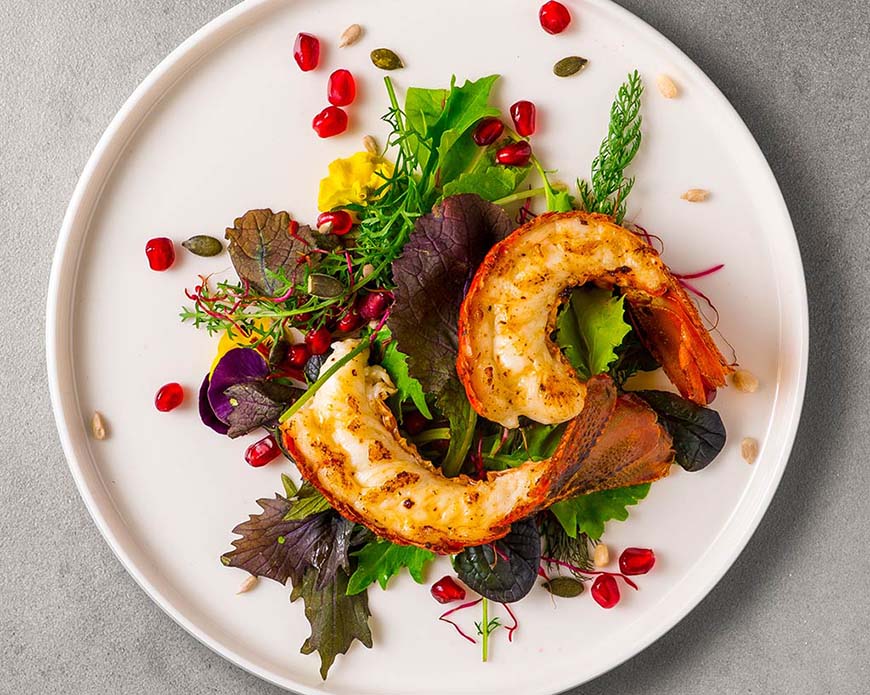
Nestled in the heart of France, surrounded by ancient volcanoes and rolling green hills, Clermont-Ferrand offers more than just breathtaking views and medieval charm. The city exudes a flavor of authenticity, where every street corner hints at centuries of culinary tradition. On arriving, one is greeted not only by the black lava stone façades of its historic buildings but also by the rich, tantalizing aromas wafting from local bistros and markets. Over the course of this journey, I immersed myself in the traditional flavors that define this part of the Auvergne region, uncovering dishes that are as robust as the volcanic soil beneath the cobbled streets.
1. Stepping Into the Market: Marché Saint-Pierre
Every culinary adventure in France ought to begin at the market, and in Clermont-Ferrand, that means Marché Saint-Pierre. Situated near Place Delille, this covered market hums with early morning energy. Local vendors arrange their goods with quiet precision. Chittering elderly women negotiate for wheels of cheese. Butchers offer cuts that speak to rustic family meals rather than refined Parisian elegance. The first thing that catches the eye is the abundance of charcuterie: saucisson sec with flecks of green pepper, dried ham cured in the high mountain air, and thick slabs of pâté de campagne wrapped in caul fat.
Here, the treasure is Saint-Nectaire, a semi-soft cow’s milk cheese with a pungent rind and an unctuous center. I tasted a wedge right at the counter, where a weathered cheesemonger sliced it with reverence. The flavor was earthy, a little nutty, almost like tasting the Auvergne soil itself. He paired it with a smear of onion confit on pain de campagne. Simple, rich, unforgettable.
2. Lunch at Le Pré: A Study in Elegance and Terroir
After the morning’s indulgences at the market, I headed to Le Pré, a Michelin-starred restaurant just outside the city in Durtol, a short drive from the center. Booking was seamless using LaFourchette (also known as TheFork.fr), a platform I used frequently throughout the trip for reserving tables across the city.
The dining room at Le Pré felt suspended between nature and architecture—glass walls opening onto an herb garden, slate flooring echoing the volcanic stone that dominates the region. Chef Xavier Beaudiment’s cuisine is a reverent ode to Auvergne. The first course was a reinterpretation of truffade, typically a humble potato and cheese dish. Here, the potatoes were lightly crisped, stacked in perfect geometric balance, and draped with a translucent veil of Tomme fraîche foam. A drizzle of beef jus added depth, while delicate pickled shallots lent a flash of acidity.
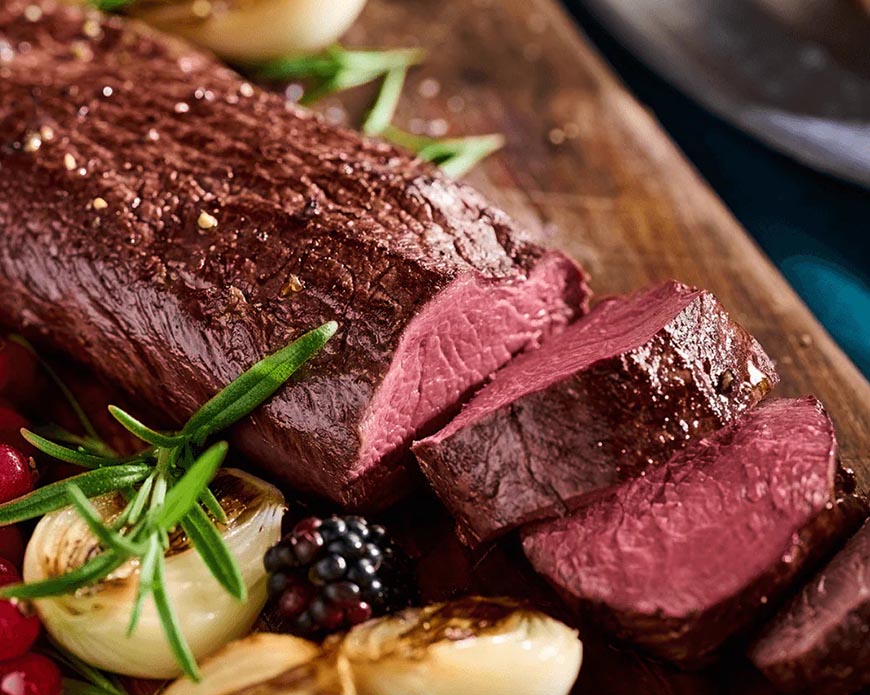
The main course, a venison fillet served with a purée of Cévennes onions and black garlic, was robust, yet remarkably refined. A single roasted salsify root curved across the plate like a calligraphic stroke. Each bite reminded me that tradition need not resist refinement. It can evolve without losing its soul.
3. An Afternoon with Aligot and Cantal
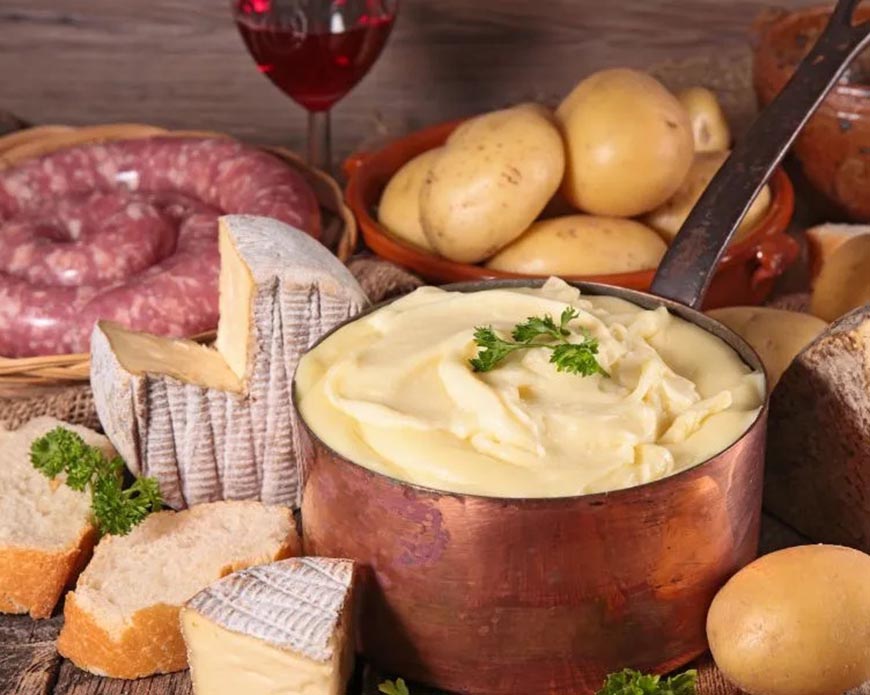
A trip to Clermont-Ferrand would be incomplete without an encounter with aligot—the molten, elastic mixture of mashed potatoes, cheese, garlic, and cream that stretches like taffy. I found the most authentic version at a tiny auberge on the Rue Ballainvilliers, called Chez Louisette. It’s not the kind of place that tourists usually stumble into. The wooden tables, tightly packed and covered with waxy red-checkered cloths, hum with the chatter of locals on their lunch breaks.
When the aligot arrived, served in a copper pot with a long-handled spoon, it defied gravity. The waiter lifted it above his head before swirling it onto the plate beside a sizzling saucisse de Toulouse. Each bite was intensely rich. The cheese, Cantal in this case, gave the potatoes a luxurious stretch and sharp, grassy flavor. It’s comfort food at its most elemental and most theatrical.
With it, a glass of Saint-Pourçain rouge—a little-known but noble wine from northern Auvergne—offered just the right balance of acidity to cut through the dish’s creamy heft.
4. Evenings at La Table de Thierry: Rustic with a Twist
Dinner at La Table de Thierry, a modest yet inventive bistro near the Place de Jaude, brought another perspective on tradition. Chef Thierry Douzon focuses on reviving forgotten peasant dishes and elevating them with modern technique.
The standout dish was pounti, a baked loaf made with Swiss chard, prunes, pork, and fresh herbs. It sounds odd until the first bite. The sweetness of the prunes balanced the saltiness of the pork, while the chard added a vegetal complexity. Served warm with a spoonful of green lentils and a lardon vinaigrette, it felt like being invited into a rural kitchen from the 18th century, albeit with better lighting and finer cutlery.
Another revelation came in the form of potée auvergnate—a boiled dinner of cabbage, root vegetables, and various cuts of pork, including trotters and smoked sausage. Cooked slowly in a cast-iron pot and served tableside, it delivered a spectrum of textures and deep, sustaining flavors. It was the antithesis of fine dining, and yet it carried an integrity that no tasting menu could rival.
5. Bakery Mornings and Bleu d’Auvergne
Mornings began with a short walk to Boulangerie Grange, near Place Gaillard. The air was thick with the smell of caramelized butter and warm bread. Their tourte de seigle, a dark rye loaf common to the region, was chewy and sour, a perfect foil for the region’s many strong cheeses.
One morning, I paired it with Bleu d’Auvergne, another PDO cheese known for its intense veining and creamy texture. I bought it from Fromagerie Nivesse, an artisan cheese shop with cases full of raw milk marvels. The Bleu’s saltiness and piquant bite worked beautifully against the deep molasses tones of the rye. A spoonful of local chestnut honey added a layer of sweetness that lingered long after the last bite.
6. Lunch at Lard et la Manière: A Name to Remember
Few places make such an impression by name alone. Lard et la Manière, a clever pun on the French expression “l’art et la manière” (the art and the manner), sits humbly along Rue Fontgiève. It offers daily menus that change based on the morning’s market haul.
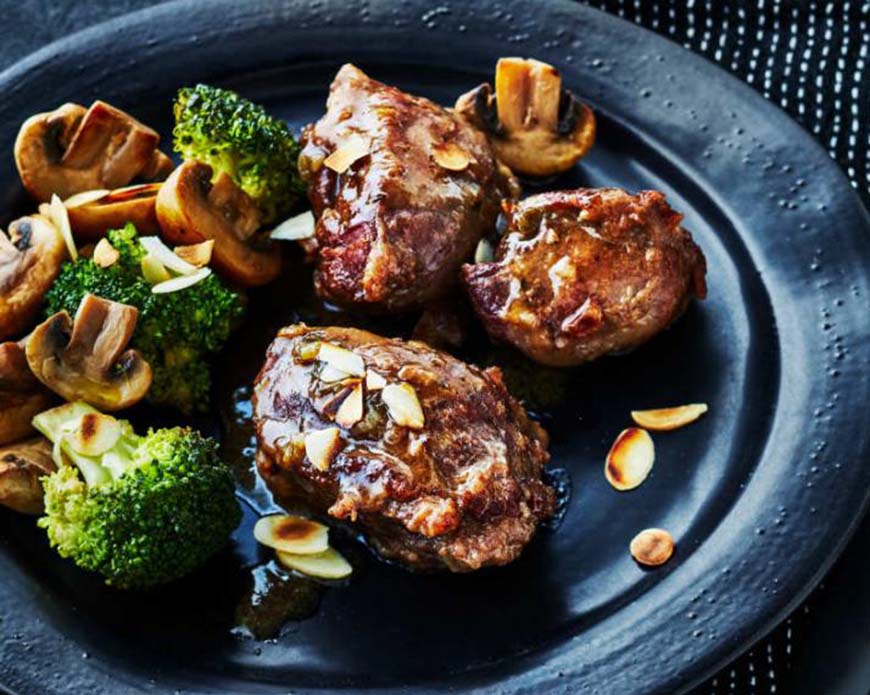
That afternoon’s main was joues de porc confites—pork cheeks braised slowly in red wine with shallots and bay leaf. They yielded to the fork with a sigh, glazed in their own juices, resting atop a celeriac purée as smooth as silk. For dessert, a rustic tarte aux myrtilles with a dusting of powdered sugar and a quenelle of crème fraîche. Every dish struck a chord between effortlessness and devotion.
7. Café Culture: Bitter Coffee and Strong Opinions
Auvergne is not known for its coffee scene, but there are hidden corners where a good espresso can be found. Café Les Augustes, both a cultural space and a café, provided a welcome pause from walking. I sat under old photos and shelves lined with poetry anthologies, sipping a sharp, smoky espresso while listening to two men argue about rugby in broad Auvergnat accents.
Another favorite haunt was Café du Commerce, where the coffee is strong, the waiters wear ties, and the croissants come warm and underbaked in the best way. It’s the kind of place where time slows down, where breakfast turns into lunch and the line between meal and conversation fades.
8. A Sweet Ending: The Pastries of Pascal Caffet
No exploration of Clermont-Ferrand’s culinary heritage would be complete without visiting Pascal Caffet, the MOF-certified pâtissier whose creations blend tradition with modern presentation. His pièce de résistance is the tarte aux noix, a shortcrust pastry filled with caramelized walnuts in a rich, slightly bitter nougatine. The interplay of texture—crunchy, sticky, flaky—was a marvel.
Equally impressive was his pavé volcanique, a chocolate cake shaped like a lava stone, filled with a ganache of local gentian liqueur. It was a nod to the region’s geology and its bitter herbal traditions, beautifully cloaked in glossy chocolate glaze.
9. Finding the Way: Practical Notes
Throughout this gastronomic itinerary, TheFork was indispensable. It allowed for smooth reservations, even last-minute ones, and offered discounts at many bistros. For those looking to explore beyond the tourist favorites and into the neighborhoods where locals dine, it’s a reliable ally.
Taxi service is available, but much of Clermont-Ferrand is best discovered on foot. Walking from one restaurant to the next is a way to digest, literally and figuratively, what the city offers. Every turn reveals another pâtisserie, another boucherie, another hand-painted sign promising truffade maison or soupe au fromage.