The morning sun spread a soft, golden hue across the limestone facades of Poitiers as I stepped onto the cobblestone streets. The city was just beginning to stir, shutters creaking open, and the scent of warm pastries rising in the air. With a quiet kind of charm, Poitiers unfolds itself gradually—layer by layer, like the pages of a history book written in stone, scent, and flavor. Shopping here isn’t about ticking items off a tourist checklist; it’s about uncovering stories, textures, and tastes that linger long after the trip is over.
1. Strolling Through the Saturday Market
The heart of Poitiers on a Saturday morning beats to the rhythm of the market. The Place Charles de Gaulle, framed by the Romanesque façade of the Église Notre-Dame la Grande, transforms into a hive of colors and voices. Stall after stall stretches under canvas tents, offering a parade of produce, textiles, and local delicacies.
The scent of roasted chicken, Provencal herbs, and freshly chopped garlic floats in the air. Cheeses sit in wooden crates, their rinds ranging from snowy white to deep amber. Local honey vendors proudly offer tiny spoons for tasting, each flavor telling of the fields the bees once danced in—sunflower, chestnut, wild thyme.
A basket of mogettes, those small white beans so cherished in the west of France, caught my attention. Nearby, an elderly vendor wrapped slices of cured jambon de pays in brown paper for another customer. The smell was irresistible—deep, earthy, with a trace of smoke and age. These moments in the market revealed more than items for sale—they spoke of tradition, of soil and season, of regional pride.
2. Macarons of Montmorillon: Sweet Heritage in a Box
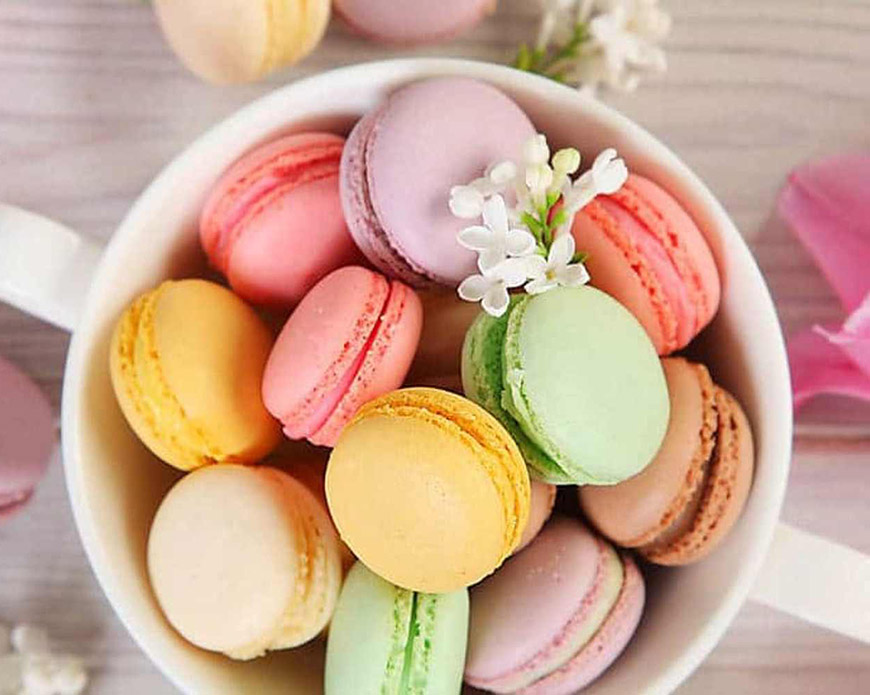
Just under an hour from Poitiers, the town of Montmorillon is famed for its literary past and its macarons—not the pastel-colored Parisian versions, but their rustic, almond-rich cousins with roots in centuries-old monastic recipes. Fortunately, several shops in Poitiers carry these delicacies, and they’re easy to spot with their vintage-style packaging and charming labels.
At Maison Rannou-Métivier, which has a branch in Poitiers, the macarons are soft, slightly chewy, and intensely flavored with almond. They’re not overly sweet, and their grainy texture reminds me more of marzipan than meringue. Each bite is rich with nostalgia and depth—something to be savored slowly. Packaged in decorative tins or paper boxes, they make thoughtful gifts or edible memories.
3. Chabichou du Poitou: A Cheese Worth the Journey
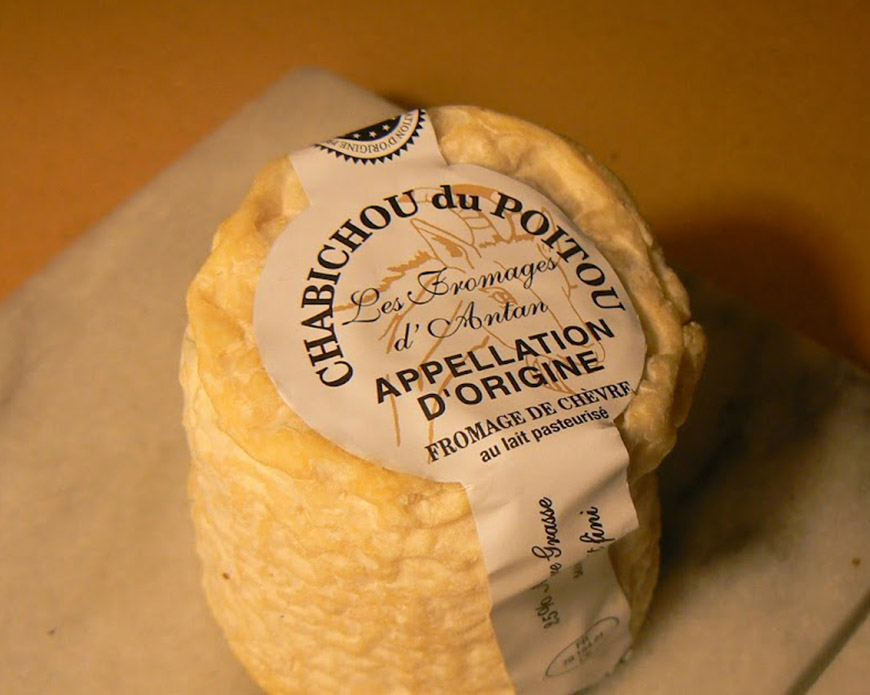
It’s impossible to talk about Poitiers without mentioning Chabichou du Poitou, the region’s proudest cheese export. This cylindrical goat cheese with its wrinkled rind and creamy, tangy interior has been produced in the area since at least the 8th century. It carries the coveted AOC label, marking it as a protected product tied deeply to its geographical origins.
Small cheese shops and fromageries like La Ferme Saint-Vincent stock beautifully aged Chabichou, some wrapped in straw, others sealed in wax paper. It’s best enjoyed at room temperature, with a crusty baguette and a glass of crisp white wine—ideally something local, like a Chardonnay du Haut-Poitou. The taste is delicate but complex: floral, nutty, with a slight citrus tang that lingers. Tucking one into a carefully packed basket feels like carrying a piece of pastoral France home.
4. The Elegant World of Porcelain: Les Faïenceries de Poitiers
Tucked into a quiet corner of the old town, a small boutique specializing in Poitou porcelain and faïence offered a surprising escape into another form of craftsmanship. Glazed with meticulous designs—some traditional, some modern—each piece felt like it belonged both on a farmhouse table and behind museum glass.
I lingered by a collection of hand-painted plates edged with cobalt blue, each bearing the floral motifs native to the region. Vases with elegant silhouettes stood alongside pitchers that looked centuries old, despite being newly crafted. One artisan explained that the designs were inspired by 18th-century tableware and recreated using traditional techniques that require multiple firings and detailed brushwork.
The fragility of the pieces is part of their beauty. Wrapped in layers of tissue, they carry not just their shape but also the time and patience of the people who made them.
5. Wine from the Vienne: Bottling the Landscape
The Vienne department, in which Poitiers is located, produces a modest but growing range of wines. While it may not rival Bordeaux or Burgundy in volume or fame, what it lacks in notoriety, it makes up for in personality. Small, often family-owned vineyards are scattered across the surrounding countryside, and their wines are increasingly making a name for themselves.
Shops like Cave des Arceaux in the city center showcase regional wines such as Chardonnay du Haut-Poitou, Sauvignon Blanc, and light, fruity reds made from Gamay or Cabernet Franc. I found a charming bottle wrapped in straw, labeled with hand-lettered script and a wax seal, as if it had been sent straight from a vineyard’s cellar.
The shopkeeper offered tastings, pairing each wine with slices of local cheese or pieces of walnut bread. A bottle or two finds its way easily into the suitcase, padded with sweaters and ambition.
6. Linen and Lace: Poitou Textiles with a Story
Stepping into Maison Lemoine, a textile boutique on Rue des Cordeliers, is like entering a world where time slows down. Stacks of meticulously folded linens, embroidered pillowcases, and hand-stitched napkins evoke a kind of rural elegance that seems drawn from old country estates.
The colors are soft—ecru, dusty rose, pale gray—and the textures inviting. A set of torchons (tea towels), each bearing the emblem of Poitiers or stitched with scenes from regional folklore, seemed the ideal gift. I chose a linen table runner embroidered with chestnut leaves, recalling the forests I’d driven past on the road from Ligugé.
The shopkeeper explained that many of their pieces are still made using traditional looms in nearby villages. Buying a single towel here feels less like shopping and more like participating in a quiet act of preservation.
7. Blades of the Past: Coutellerie Traditionnelle
A few steps from the Place du Maréchal-Leclerc lies a shop that gleams with polished steel and horn-handled beauty. This is Coutellerie Brossard, a cutler’s boutique that sells knives crafted in the tradition of Thiers and local blade-makers of the Vienne region.
Hunting knives, cheese cutters, and elegant folding knives share the same counters, some inlaid with wood from olive or walnut trees, others gleaming with Damascus steel patterns. I was drawn to a small, finely balanced canif, its handle carved from bone and etched with vines. The craftsmanship is tactile and precise, a tribute to a time when form followed function with dignity.
These knives, unlike the plastic mass-produced sort, carry stories—of forests, forge fires, and the old pride of French artisanship.
8. Lavender and Liqueurs: Aromatic Traditions
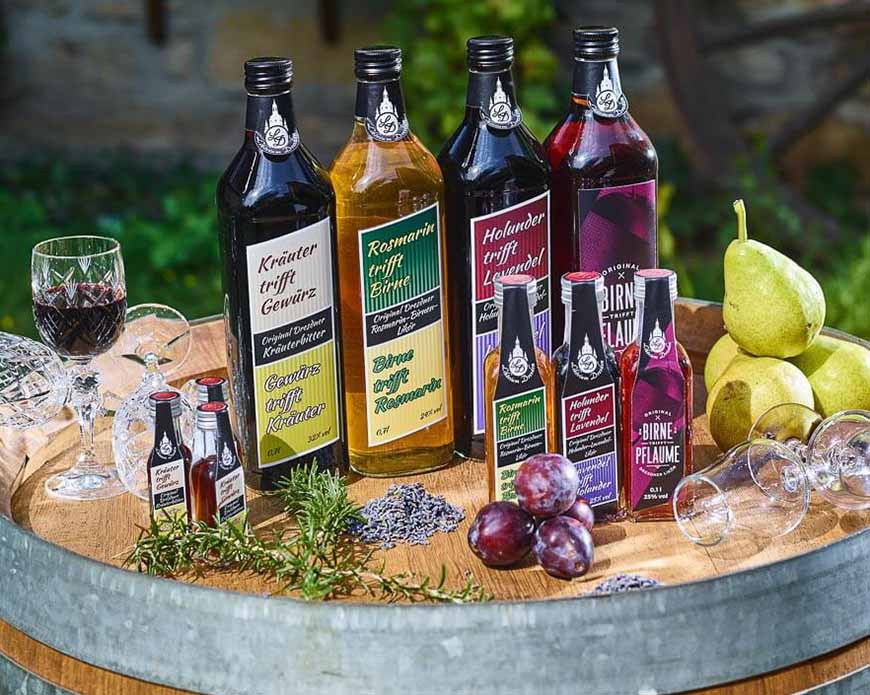
Though lavender is more closely associated with Provence, many shops in Poitiers carry small sachets and oils distilled from wild lavender growing in the southern reaches of Nouvelle-Aquitaine. They sit in wicker baskets or glass bottles, their scent heady and calming. I picked up a hand-stitched linen pouch filled with dried lavender flowers. It now lives in my suitcase, its aroma rising every time I open it.
Next door, a delicatessen offered rows of liqueurs artisanales—among them, a bottle of liqueur de noix verte (green walnut liqueur), which I couldn’t resist. Its dark green color and bitter-sweet complexity make it ideal for sipping slowly after dinner. Other bottles included plum, raspberry, and even a pear brandy with an entire miniature fruit trapped inside the glass.
9. Stationery, Prints, and Paper Goods: Written Keepsakes
Inside a centuries-old arcade, I wandered into Papeterie Bernou, a paper and bookshop with a curious charm. Shelves were filled with handcrafted journals bound in leather, marbled paper, and canvas. Nearby, a selection of woodblock prints showed scenes of Poitiers’ landmarks—the Baptistery of Saint John, the Clain River bridges, the spire of Saint-Porchaire.
I bought a set of correspondence cards featuring ink drawings of the Palais des Comtes de Poitou. There’s something quietly powerful about sending someone a handwritten message that carries not only your words, but the soul of a place. Stationery from Poitiers isn’t mass-produced gloss; it’s an invitation to connect across space and time.
10. Books from La Librairie de la Presse
Literary souvenirs hold a different kind of weight. A short walk from the Town Hall, La Librairie de la Presse carries a curated collection of regional literature, maps, and illustrated histories. Among the titles, I found a slim volume of Georges Duhamel, a novel set during the interwar years in western France, and an illustrated guide to the Romanesque architecture of Poitou.
Even if unread, these books become artifacts. Tucked into a shelf or placed on a table, they remain reminders of places touched, of streets walked under low stone arches, of churches discovered in silence.
11. Ephemeral Beauty: Local Flower Shops
While not suited for long journeys, flowers make unforgettable travel moments. On Rue Carnot, I passed L’Atelier Floral, a poetic space brimming with dried flower arrangements, herbs tied in bundles, and eucalyptus wreaths. The florists there create bouquets that feel more like art than decoration—seasonal, natural, and lightly perfumed.
One arrangement, tied with twine and wrapped in brown paper, was composed of dried hydrangea, sprigs of thyme, and wild grasses. It reminded me of the roadside landscapes surrounding Poitiers in late spring. I carried it with me the rest of the day, drawing curious glances and compliments from strangers.
12. Wooden Toys and Artisan Games
At Les Jouets de Bois, a workshop hidden behind Place d’Armes, wooden toys sit in rows like waiting memories. Some are puzzles, others train sets or marionettes. I found a beautifully carved jeu de palets, a traditional game played with wooden disks, often seen at country fairs. The toys, entirely handmade, are built to last generations. Their charm lies not in nostalgia alone, but in their unapologetic simplicity.